7 Tips for Half Marathon Injury Prevention
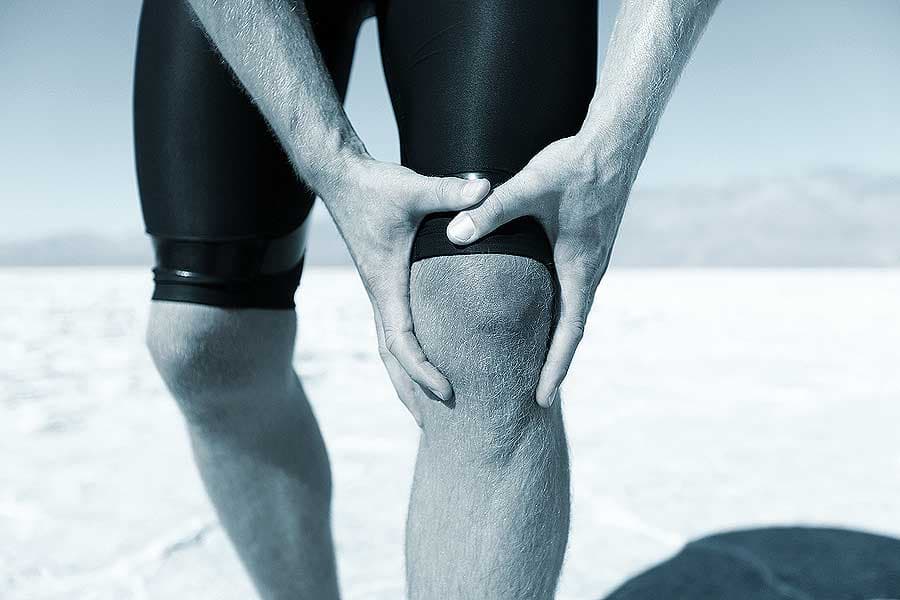
Half marathon injury prevention isn't just about avoiding setbacks—it's about optimizing your entire training experience and maximizing your performance potential. As a sports medicine professional and running coach with over two decades of experience working with everyone from first-time 5K runners to Olympic marathoners, I've witnessed the devastating impact that preventable injuries can have on a runner's goals, confidence, and long-term relationship with the sport.
The statistics tell a sobering story: research published in the British Journal of Sports Medicine shows that 37-56% of recreational runners experience a running-related injury each year, with half marathon trainees facing even higher risks due to the substantial increase in training volume and intensity required for the 13.1-mile distance. However, the most encouraging finding from decades of sports science research is this: up to 85% of running injuries are preventable with proper education, preparation, and execution.
This comprehensive guide represents the distillation of evidence-based practices, real-world coaching experience, and cutting-edge sports science research. Whether you're embarking on your first half marathon journey or seeking to break a personal record, these seven foundational principles will serve as your roadmap to injury-free training and optimal performance.
The Science of Running Injury Prevention
Before diving into specific strategies, it's essential to understand why injuries occur and how we can systematically address the root causes. Running injuries rarely happen overnight—they're typically the result of a complex interplay of factors including training errors, biomechanical inefficiencies, inadequate recovery, and environmental stressors.
Understanding the Injury Continuum
Modern sports science recognizes that injuries exist on a continuum rather than as binary states. This understanding has revolutionized how we approach prevention:
Stage 1: Optimal Function
- No pain or discomfort
- Normal movement patterns
- Appropriate recovery between sessions
- Consistent performance improvements
Stage 2: Early Warning Signs
- Mild discomfort that resolves quickly
- Slight stiffness or tightness
- Minor changes in running gait
- Occasional motivation fluctuations
Stage 3: Subclinical Dysfunction
- Persistent low-level discomfort
- Noticeable compensation patterns
- Increased recovery time needed
- Performance plateaus or declines
Stage 4: Clinical Injury
- Significant pain affecting function
- Altered movement patterns
- Inability to maintain training loads
- Potential time off from running required
The key insight is that most injuries are preventable if we recognize and address issues in stages 1-3, before they progress to clinical injury.
Strategy 1: Master the Art of Recognizing and Responding to Injury Warning Signs
The difference between runners who train consistently for years without major injuries and those who cycle through repeated setbacks often comes down to one crucial skill: the ability to recognize and appropriately respond to their body's warning signals.
The Complete Warning Sign Assessment System
Level 1: Daily Body Awareness Check Implement a systematic daily assessment routine every morning:
-
Movement Quality Screen (2 minutes):
- Gentle neck rotations and shoulder rolls
- Arm circles forward and backward
- Torso twists left and right
- Leg swings front-to-back and side-to-side
- Ankle circles and calf raises
- Deep squats and single-leg balance tests
-
Pain and Discomfort Inventory (1 minute):
- Systematically scan from head to toe
- Rate any discomfort on a 0-10 scale
- Note location, quality, and intensity of sensations
- Compare to previous days' assessments
-
Energy and Motivation Assessment (30 seconds):
- Rate overall energy levels (1-10)
- Assess enthusiasm for planned training
- Consider sleep quality and life stressors
- Evaluate recovery from previous day's activities
Level 2: Training-Specific Monitoring During each training session, maintain awareness of:
- Effort perception: How hard does your normal pace feel?
- Movement efficiency: Are you maintaining good form?
- Discomfort patterns: Any new or worsening sensations?
- Performance consistency: Are you hitting expected paces and distances?
Level 3: Post-Training Evaluation Within 30 minutes after each run:
- Immediate sensation check: Any new discomfort or pain?
- Recovery pace assessment: How quickly is your heart rate normalizing?
- Movement quality evaluation: Can you move normally after cooling down?
- Overall satisfaction rating: How did the session feel mentally and physically?
The Evidence-Based Response Protocol
When warning signs appear, having a structured response protocol can mean the difference between a minor adjustment and a significant injury:
Green Light Scenarios (Levels 1-2 discomfort):
- Proceed with planned training
- Implement extra warm-up time
- Focus on perfect form and pacing
- Enhance post-run recovery protocols
Yellow Light Scenarios (Levels 3-5 discomfort):
- Modify planned intensity (reduce by 20-30%)
- Shorten planned duration if needed
- Consider alternative activities (pool running, cycling)
- Implement targeted interventions (ice, compression, elevation)
- Monitor closely for 24-48 hours
Red Light Scenarios (Levels 6+ discomfort):
- Skip planned running session
- Implement comprehensive RICE protocol
- Consider professional evaluation if symptoms persist
- Focus on active recovery and addressing underlying causes
Advanced Warning Sign Recognition
Experienced runners learn to recognize subtle warning signs that precede obvious symptoms:
Biomechanical Red Flags:
- Changes in stride length or frequency
- Asymmetric arm swing or leg drive
- Altered foot strike patterns
- Compensatory movements in other body parts
Physiological Indicators:
- Elevated resting heart rate (>5 beats above baseline)
- Difficulty achieving target heart rates during workouts
- Prolonged recovery times between intervals
- Unexpected breathlessness at normal paces
Psychological Markers:
- Decreased enthusiasm for running
- Increased anxiety about workouts or races
- Difficulty sleeping or changes in sleep patterns
- Increased irritability or mood fluctuations
The Professional Consultation Decision Tree
Knowing when to seek professional help is crucial for preventing minor issues from becoming major problems:
Immediate Professional Consultation Required:
- Sharp, shooting pain that worsens with activity
- Significant swelling or visible deformity
- Inability to bear weight or maintain normal gait
- Numbness, tingling, or loss of function
- Pain that disrupts sleep or daily activities
Professional Consultation Within 48-72 Hours:
- Persistent pain lasting more than 3 days
- Gradual onset pain that's progressively worsening
- Recurrence of previously resolved injuries
- Pain that significantly alters running form
- Uncertainty about appropriate management
Consider Professional Consultation:
- Plateau in performance despite consistent training
- Recurring minor injuries in same area
- Persistent fatigue or motivation issues
- Desire for movement assessment and optimization
Strategy 2: Optimize Hydration for Performance and Injury Prevention
Hydration's role in injury prevention extends far beyond simply avoiding heat-related illnesses. Proper hydration affects muscle function, joint lubrication, nutrient transport, waste removal, and neurological function—all critical components of injury-free training.
The Science of Hydration and Injury Risk
Research from the American College of Sports Medicine demonstrates that even mild dehydration (2-3% body weight loss) can:
- Reduce muscle strength by up to 15%
- Impair coordination and reaction time
- Increase perceived exertion at submaximal efforts
- Compromise thermoregulation
- Slow recovery from training stress
These effects create a cascade that significantly increases injury risk through altered biomechanics, reduced performance capacity, and impaired recovery.
Personalized Hydration Strategy Development
Phase 1: Baseline Assessment Establish your individual hydration needs through systematic testing:
-
Sweat Rate Calculation:
- Weigh yourself nude before and after a 60-minute run
- Account for fluid consumed during the run
- Calculate: (Pre-weight - Post-weight + Fluid consumed) = Sweat rate per hour
- Repeat under different environmental conditions
-
Sodium Loss Assessment:
- Note white residue on clothing/skin after long runs
- Consider professional sweat testing for precise electrolyte losses
- Factor in individual variations and environmental conditions
-
Individual Response Patterns:
- Monitor hydration status using urine color charts
- Track correlation between hydration and performance
- Note personal preferences for fluid types and temperatures
Phase 2: Daily Hydration Optimization
Morning Hydration Protocol:
- Begin each day with 16-20 oz of water upon waking
- Add a pinch of high-quality sea salt if morning runs are planned
- Monitor urine color as a hydration status indicator
- Aim for pale yellow before starting any training session
Pre-Training Hydration (2-4 hours before):
- Consume 16-24 oz of fluid
- Include electrolytes if training duration will exceed 60 minutes
- Avoid excessive fluid intake in the final hour before training
- Practice race-day hydration strategies during training
During-Training Hydration:
- For runs under 60 minutes: Water as needed based on thirst
- For runs 60-90 minutes: 6-8 oz every 15-20 minutes of electrolyte solution
- For runs over 90 minutes: 6-8 oz every 15-20 minutes with 200-300mg sodium per hour
- Adjust based on sweat rate, environmental conditions, and individual tolerance
Post-Training Rehydration:
- Consume 150% of fluid weight lost during training
- Include electrolytes and carbohydrates for optimal absorption
- Spread rehydration over 4-6 hours for best results
- Monitor urine color to confirm adequate rehydration
Environmental Hydration Adaptations
Hot Weather Protocols:
- Increase daily baseline fluid intake by 20-30%
- Begin heat acclimatization 10-14 days before hot weather races
- Pre-cool with cold fluids when possible
- Consider electrolyte supplementation even for shorter runs
- Adjust pacing expectations based on environmental conditions
Cold Weather Considerations:
- Maintain hydration vigilance despite reduced thirst sensation
- Warm fluids may be more palatable and promote consumption
- Account for increased respiratory water losses in dry, cold air
- Don't neglect electrolytes during winter training
High Altitude Adaptations:
- Increase fluid intake by 15-25% at altitudes above 8,000 feet
- Monitor for signs of altitude sickness, including headache and nausea
- Allow extra time for acclimatization before hard training
- Consider iron status evaluation if training at altitude regularly
Strategy 3: Master the Science of Proper Running Footwear
The relationship between footwear and running injuries is more complex than simply buying the most expensive shoes or following generic recommendations. Modern sports science has revealed that the "perfect" running shoe is highly individual, dependent on biomechanics, training variables, injury history, and personal preferences.
Understanding Foot Function in Running
Your feet are remarkable structures containing 26 bones, 33 joints, and over 100 muscles, tendons, and ligaments. During running, each foot must:
- Absorb impact forces of 2.5-4 times body weight
- Adapt to terrain and provide stability
- Store and return energy through elastic mechanisms
- Provide proprioceptive feedback for balance and coordination
Shoes should enhance these natural functions rather than restrict or overly control them.
The Complete Footwear Assessment Process
Step 1: Biomechanical Evaluation
Professional gait analysis should examine:
- Foot strike pattern: Heel, midfoot, or forefoot initial contact
- Pronation characteristics: Timing, degree, and velocity of foot motion
- Ground contact time: How long feet remain in contact with ground
- Stride parameters: Length, frequency, and symmetry
- Loading patterns: How forces are distributed across the foot
Step 2: Foot Structure Assessment
- Static foot shape: Arch height, foot length and width, toe alignment
- Dynamic foot function: How structure changes during weight bearing
- Flexibility testing: Range of motion in key joints
- Strength evaluation: Intrinsic foot muscle function
- Previous injury considerations: Areas requiring additional support or accommodation
Step 3: Training-Specific Requirements
Different training demands require different footwear characteristics:
Easy/Recovery Runs (60-70% of training):
- Maximum cushioning for comfort
- Durable construction for high mileage
- Stable platform for consistent biomechanics
- Breathable materials for temperature regulation
Tempo/Threshold Runs (15-20% of training):
- Moderate cushioning with responsive feel
- Lightweight construction to reduce energy cost
- Secure fit for controlled movements
- Good traction for confident pacing
Interval/Speed Work (10-15% of training):
- Minimal, responsive cushioning
- Lightweight for maximum efficiency
- Secure heel and midfoot for quick direction changes
- Aggressive traction patterns when needed
Long Runs (5-10% of training):
- Maximum cushioning for extended comfort
- Proven durability and fit
- Consider larger size to accommodate foot swelling
- Prioritize comfort over performance features
The Science of Shoe Rotation
Recent research has validated what many experienced runners have practiced intuitively: rotating between different shoe models can reduce injury risk by up to 39%. The mechanisms behind this benefit include:
Biomechanical Variation:
- Different shoes create subtle changes in foot strike and joint angles
- Varied stimuli promote stronger, more adaptable tissues
- Reduced repetitive stress on specific anatomical structures
- Enhanced proprioceptive awareness through novel sensory inputs
Material Recovery:
- Midsole foams require 24-48 hours to fully recover compression
- Alternating shoes allows complete material recovery between uses
- Extended shoe life through reduced wear patterns
- Maintained cushioning properties over time
Practical Rotation Strategies:
Minimalist Rotation (2 pairs):
- Primary trainer for 70% of miles
- Speed/race shoe for workouts and races (30% of miles)
Optimal Rotation (3 pairs):
- Daily trainer for easy runs and recovery (60% of miles)
- Tempo/workout shoe for quality sessions (25% of miles)
- Race shoe for speed work and competitions (15% of miles)
Advanced Rotation (4+ pairs):
- Add trail shoes, weather-specific options, or specialized models
- Consider different brands to maximize biomechanical variation
- Include transitional models for injury prevention or form work
Shoe Maintenance and Replacement Protocols
Mileage Tracking Systems:
- Digital logging through GPS watches or smartphone apps
- Physical tracking methods (writing on shoe or keeping logs)
- Account for walking miles and cross-training in the same shoes
- Consider environmental factors that accelerate wear
Replacement Guidelines by Shoe Type:
- Traditional daily trainers: 350-500 miles
- Lightweight trainers: 250-400 miles
- Racing flats/spikes: 100-300 miles
- Trail shoes: 300-500 miles (depending on terrain)
- Walking/casual shoes: 500-1000 miles
Strategy 4: Implement Comprehensive Stretching and Mobility Protocols
The role of stretching in injury prevention has evolved significantly as our understanding of tissue mechanics and movement quality has advanced. Modern approaches emphasize dynamic preparation, targeted mobility work, and strategic recovery protocols rather than static stretching alone.
The Science of Stretching and Injury Prevention
Research has revealed that stretching's injury prevention benefits come not from increased flexibility alone, but from:
- Improved movement quality and biomechanical efficiency
- Enhanced proprioception and body awareness
- Increased tissue tolerance to loading and stress
- Better recovery through improved circulation
- Reduced muscle tension and trigger point activity
Dynamic Warm-Up Protocols
Dynamic warm-ups prepare the body for running by gradually increasing tissue temperature, joint range of motion, and neuromuscular activation.
Phase 1: General Activation (3-4 minutes)
- Walking with arm circles: 30 seconds forward, 30 seconds backward
- Walking knee lifts: 30 seconds, focusing on hip flexor activation
- Walking butt kicks: 30 seconds, emphasizing hamstring engagement
- Walking leg swings: 10 per leg front-to-back, 10 per leg side-to-side
- Gentle torso twists: 30 seconds while walking
Phase 2: Running-Specific Preparation (5-6 minutes)
- High knees: 20 meters x 2, focusing on quick leg turnover
- Butt kicks: 20 meters x 2, emphasizing heel-to-glute contact
- Walking lunges with twist: 10 per leg, adding spinal rotation
- Lateral lunges: 8 per leg, addressing frontal plane movement
- Straight leg bounds: 15 per leg, activating hamstrings and glutes
- Carioca/grapevine: 20 meters each direction, improving hip mobility
- Skipping: 20 meters x 2, enhancing coordination and power
Phase 3: Progressive Acceleration (3-4 minutes)
- Build-up strides: 4-5 x 50 meters, starting at 60% effort and building to 85%
- Full recovery between each stride (30-45 seconds)
- Focus on form and rhythm rather than maximum speed
- Gradual transition to planned workout pace
Post-Run Recovery Stretching
Static stretching after running can enhance recovery and maintain range of motion:
Essential Post-Run Sequence (10-12 minutes):
- Standing calf stretch: 45 seconds per leg, both straight and bent knee
- Standing quadriceps stretch: 30 seconds per leg with wall support
- Standing figure-four: 45 seconds per leg for glutes and hip external rotators
- Standing hamstring stretch: 30 seconds per leg using elevated surface
- Standing IT band stretch: 30 seconds per leg in cross-legged position
- Hip flexor stretch: 45 seconds per leg in lunge position
- Seated piriformis stretch: 45 seconds per leg
- Seated spinal twist: 30 seconds per side
Strategy 5: Integrate Strength Training for Injury Prevention
Strength training for runners isn't about building bulk—it's about creating a resilient, balanced body capable of handling the repetitive stresses of distance running. Research consistently shows that runners who include regular strength training have 30-50% fewer injuries than those who only run.
The Essential Strength Training Foundation
Core Strengthening Circuit (perform 2-3x per week):
- Plank variations: Front plank, side planks, plank with leg lifts (30-60 seconds each)
- Dead bug: 10-15 per side, focusing on opposite arm/leg coordination
- Bird dog: 10-15 per side, emphasizing stability and control
- Russian twists: 20-30 repetitions, using body weight or light medicine ball
- Single-leg glute bridges: 15-20 per leg, focusing on glute activation
Lower Body Strength Circuit (perform 2x per week):
- Squats: Bodyweight or goblet squats, 15-20 repetitions
- Single-leg deadlifts: 10-12 per leg, focusing on balance and posterior chain
- Lateral lunges: 12-15 per leg, addressing frontal plane movement
- Calf raises: 20-25 repetitions, both double and single leg
- Clamshells: 15-20 per side, focusing on glute medius activation
Strategy 6: Optimize Cross-Training for Injury Prevention
Cross-training serves multiple functions: maintaining fitness during recovery, addressing movement imbalances, providing mental variety, and reducing repetitive stress.
Evidence-Based Cross-Training Activities
Aqua Jogging: Maintains running-specific movement patterns with zero impact Cycling: Strengthens quadriceps and glutes while providing cardiovascular training Swimming: Full-body cardiovascular training with upper body emphasis Elliptical Training: Running-specific movement with reduced impact forces
Cross-Training Integration
Replacement Strategy: Use during injury recovery or adverse weather Supplementation Strategy: Add to existing program for variety and volume Active Recovery: Light cross-training on rest days
Strategy 7: Master Advanced Recovery Techniques
Recovery is where adaptation occurs and injuries are prevented. Modern sports science has revealed that recovery is not passive rest, but an active process that can be optimized.
Comprehensive Recovery Protocols
Immediate Post-Exercise (0-30 minutes):
- Active cool-down with gentle walking
- Hydration and nutrition within 15 minutes
- Initial tissue care with ice if needed
Short-Term Recovery (30 minutes - 4 hours):
- Contrast water therapy (hot/cold alternating)
- Compression therapy for enhanced circulation
- Self-massage and foam rolling
- Optimal nutrition timing and composition
Medium-Term Recovery (4-24 hours):
- Sleep optimization (7-9 hours quality sleep)
- Active recovery activities
- Stress management and mental recovery
Long-Term Recovery (24+ hours):
- Weekly recovery periodization
- Advanced recovery technologies when available
- Heart rate variability monitoring for training adjustment
Sleep Optimization Protocol
Sleep is the most powerful recovery modality:
Sleep Hygiene Essentials:
- Consistent sleep schedule
- Optimal sleep environment (65-68°F, dark, quiet)
- Pre-sleep routine limiting blue light
- Stress management and relaxation techniques
Conclusion: Your Comprehensive Injury Prevention Roadmap
Half marathon injury prevention is about creating a comprehensive system that addresses all aspects of training, recovery, and lifestyle management. The seven strategies work synergistically to create a robust foundation for safe, effective training and optimal performance.
Start with the strategies that resonate most with your current needs and systematically expand your approach. Remember that injury prevention is an investment in your long-term running future. Every minute spent on proper preparation, every dollar invested in appropriate equipment, and every hour dedicated to recovery pays dividends in training consistency and performance.
Your half marathon goal is not just about covering 13.1 miles—it's about developing a sustainable relationship with running. By implementing these evidence-based strategies, you're building the foundation for a lifetime of healthy, enjoyable running.
Stay consistent, stay patient, and most importantly, stay healthy. Your future running self will thank you for the investment you make today.
Tags
Related Articles
The 5-Step Plan to Prevent Most Common Half Marathon Injuries
Training for a half marathon brings potential pitfalls, and without careful planning, mistakes can lead to injuries. This article offers a 5-step plan based on years of running and coaching experience, detailing how to avoid common half marathon injuries and train effectively.
The 5 Biggest Mistakes in Half Marathon Training that Lead to Injuries
Half marathon training is a delicate balance of pushing limits while avoiding injuries. Too often, runners fall into traps that hinder their progress and lead to unnecessary injuries. This guide outlines the five biggest mistakes you might be making in your half marathon training and offers expert advice to keep you running strong and injury-free.
7 Proven Strategies to Prevent Half Marathon Injuries
In this comprehensive guide, we share 7 proven strategies to help you prevent injuries during your half marathon training. From correct form and technique to the importance of recovery, we guide you through methods that will help keep you healthy and on track to achieve your running goals.
The Athletic Medicine Guide to Half Marathon Injury Prevention: Evidence-Based Strategies for Peak Performance
Master the science of injury prevention with this comprehensive medical guide. Learn evidence-based strategies, risk assessment tools, and expert protocols that keep half marathon runners performing at their peak while avoiding the most common injuries.