Training for Walking a Half Marathon

Even though most half marathons are for runners, increasingly more walkers are taking to the race course. Walking a 13.1 mile course will take a fit individual approximately 4 hours, which is a reasonable finish time for many half marathon races around the country. Even though walking may not be as intense as running, walking for 13.1 miles requires considerable strength and endurance. It would be very difficult for the average person to be able to walk a half marathon distance without adequate preparation. If you plan to enter a race, here are some tips to help in training for walking a half marathon.
Choosing a Training Plan for Walking a Half Marathon
If you plan to walk a half marathon it is necessary that you slowly build up your endurance to make the race as pleasant as possible. Some people may be able to walk a half marathon without training, but if you want to finish the race feeling great without blisters and pains, it is recommended to train and build up your mileage over time.
Most trainers recommend that before starting any training plan you should already have a solid walking base. It is advisable that you have been walking for at least several months and have the ability to easily walk three to four miles at a time. Once you have this base and are comfortable walking, it is time to choose a training plan.
There are dozens of half marathon walking plans available online and in fitness magazines and they usually range from 10 to 16 weeks. It is best to look through a variety of plans and choose one that fits your needs, including time and mileage. Some plans may call for walking every day and if you don’t have time to walk every day, instead choose a different plan that requires walking three to four times a week.
Training Plan Details for Walking a Half Marathon
Most training plans rotate between walking days and rest days, with one day per week devoted to a long walk where mileage is built. Most plans will have between three to four weekly base maintenance walks. These walks will usually range between two and four miles. These maintenance walks help to sustain fitness levels and make it easier to add mileage to the long walks each week.
Long Walks
All training plans should include a long walk each week, usually on the weekends or any day that allows you the time to walk up to several hours. Long walks are one of the most important aspects of training because they help your body become accustomed to walking long distances. These long walks help both your body become accustomed to the long distances as well as improve your concentration to be able to walk these long distances. Most training plans will build up your long walk mileage each week by a mile or two. Usually, a week or two before the actual race, you will walk your longest training distance, which will be somewhere between 10 and 13 miles.
Rest days
All plans will include at least one day of rest per week as part of the training schedule. Resting days are as important as training days because they allow your body time to repair itself and minimize risk of injury.
* *Pace
*Pace
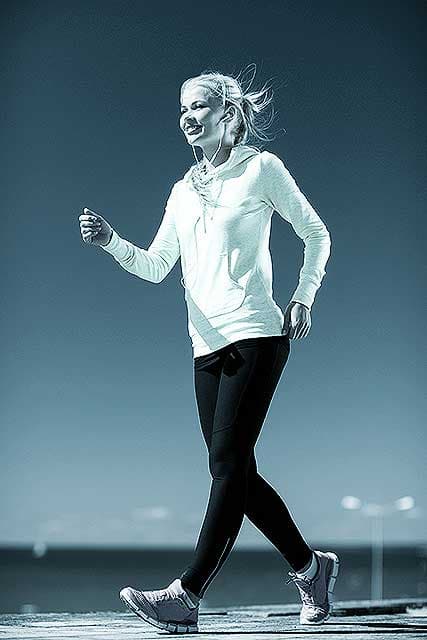
Pace is not the most important thing to keep in mind, but it is good to vary your pace to increase your fitness levels and improve your ability to walk long distances. When you first start training, walk at a comfortable pace that won’t cause you to be out-of-breath. As your fitness levels improve, changing your pace and trying to walk some days at a faster pace will help you reach your overall goal. Some training plans will specifically state what your pace should be, e.g. an easy walk or a brisk walk. Plans that indicate pace usually alternate brisk and easy walking on different days during the maintenance walks as well as different days during the long walks.
Optional Cross-Training
Some plans call for cross-training on non-walking days. Cross training involves any type of sport that is non-impact or strengthening exercises. Cross-training improves your fitness levels without putting the same stress on your body as walking to help you reach your ultimate half marathon goal. Popular forms of cross-training for walkers include swimming, cycling, cross-country skiing, yoga, and weights.
Optional Jogging
Some half marathon walkers choose to do a combination of walking and jogging. As long as you are not a competitive walker where running is grounds for disqualification, jogging occasionally can be a good way to vary your routine and finish faster. Some walkers choose to jog only during training while others will also incorporate jogs during race day. If you choose to incorporate running into your walks, when you first start, it is important to start slowly in order to minimize injury risks. When you first start incorporating running, perhaps try jogging for one or two minutes and then walk for another five to ten minutes. Slowly build up the number of minutes you run and decrease the number of minutes you walk.
Example Training Plan for Walking a Half Marathon
| Week | Mon | Tues | Wed | Thurs | Fri | Sat | Sun |
|---|---|---|---|---|---|---|---|
| 1 | Rest | 2 mi easy | Cross train | 2 mi easy | Rest | 2 mi easy | 3 mi easy |
| 2 | Rest | 2 mi easy | Cross train | 2 mi easy | Rest | 2 mi easy | 3 mi easy |
| 3 | Rest | 3 mi easy | Cross train | 2 mi easy | Rest | 3 mi easy | 2 mi brisk |
| 4 | Rest | 3 mi easy | Cross train | 3 mi easy | Rest | 2 mi easy | 4 mi easy |
| 5 | Rest | 3 mi easy | Cross train | 2 mi brisk | Rest | 2 mi easy | 5 mi easy |
| 6 | Rest | 2 mi brisk | Cross train | 3 mi easy | Rest | 3 mi easy | 7 mi easy |
| 7 | Rest | 3 mi easy | Cross train | 3 mi brisk | Rest | 2 mi easy | 5 mi brisk |
| 8 | Rest | 3 mi brisk | Cross train | 4 mi easy | Rest | 3 mi easy | 9 mi easy |
| 9 | Rest | 4 mi easy | Cross train | 4 m brisk | Rest | 2 mi easy | 6 mi brisk |
| 10 | Rest | 3 mi easy | Cross train | 3 mi easy | Rest | 2 mi easy | 11 mi easy |
| 11 | Rest | 3 mi brisk | Cross train | 3 mi easy | Rest | 3 mi easy | 7 mi easy |
| 12 | Rest | 2 mi easy | Cross train | 2 mi easy | Rest | Rest | Race Day! |
Nutrition and Hydration while Training for Walking a Half Marathon
 Don't forget to hydrate during the race!
The long distances involved in training for walking a half marathon means being outside or on a treadmill for hours at a time. It is important to carry water with you to stay hydrated for your walks. If you find that one water bottle is not enough, think about wearing a backpack with a water bladder or schedule your walks in a park with water fountains. For long distance walks, consider taking an energy drink. Not only do energy drinks hydrate your body, but energy drinks also provide carbohydrates and electrolytes that are lost during vigorous exercise.
It is also important to bring snacks with you on long walks of more than an hour or two to keep your energy levels up. Some people like to bring a big snack like a sandwich or a bagel with peanut butter. Others feel they don’t need as much fuel and opt for a smaller snack like raisins, a granola bar, or a sports bar. If you are a fast walker or are combining jogging with walking, try something small and convenient like a sports gel. Whatever foods you choose to carry with you, be sure to have tested them during training before taking them with you on race day.
Tips for Race Day
The day you’ve been anticipating for months is finally here. How do you prepare for the actual race day? There are several things to keep in mind to meet your goal and cross the finish line feeling strong. First, it is important to familiarize yourself with the course. Most half marathon courses are designed for runners, so be sure to know how things are set up for walkers. What is the minimum pace you need to maintain to finish before the course time limit? Do people below a certain pace use the same course or are they diverted to a less trafficked area? Are the water and aid stations scheduled to stay open for your pace group?
Also, look at the spacing of water stations and compare that to your usual water breaks during training. If water stations are spaced out further than you are accustomed to, bring your own water bottle. Also, many races do not provide snacks until the finish line. If you think you will need a snack on the route, bring your own food.
Most importantly, don’t try anything new for race day. Wear clothes that have been tested during your training, eat the same food you ate during training, and drink the same drinks.
Related Articles
10 Week Half Marathon Training - It's Possible
For runners there is no greater challenge than preparing for a significant distance race, whether it is the classic 26.2 mile marathon,...
From Couch to Course: Inspiring Half Marathon Training Tips for Non-Runners
So you're a couch potato and you're looking to run your first half-marathon? No problem. Even if it seems intimidating now, training fo...
Treadmill Training for a Half Marathon
Training to run a half marathon is a very exciting time. During your training you will not only be pushing yourself physically but you will also be pushing your...
The Complete Guide to Strength Training for Half Marathon Runners
Discover why strength training is essential for half marathon success. Learn specific exercises, weekly schedules, and progression plans to run faster and stay injury-free.