Cross-Training in the Water: Swimming for Half Marathon Training
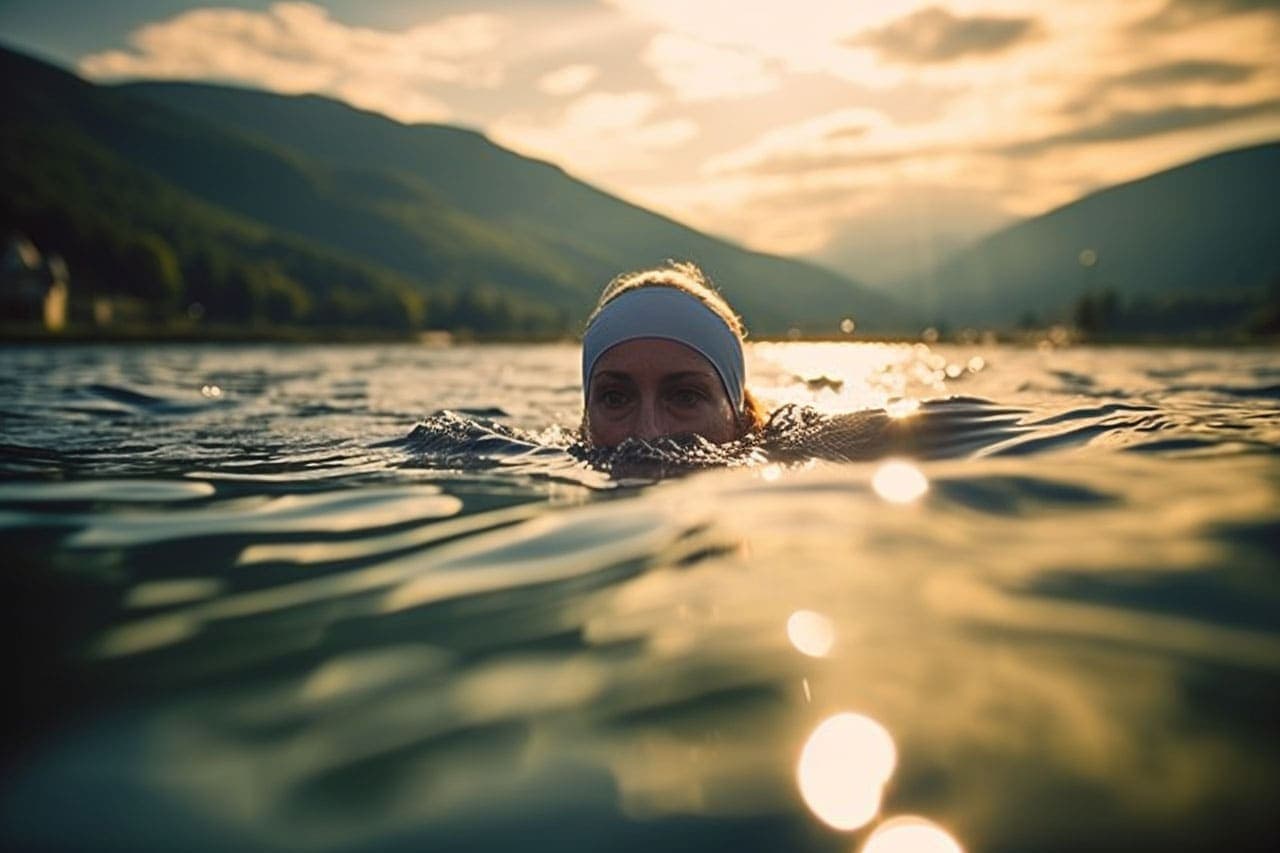
Well, hello there, runner! I see you're interested in half marathons. Excellent choice! Now, you might be wondering, "Why the heck am I reading about swimming on a running site?" Bear with me. You see, running is like an enthralling novel with numerous characters, and swimming is that delightful subplot that adds depth and dimension to the main story. It's that magical elixir that makes your half marathon journey richer and more enjoyable.
As a coach who has worked with countless runners over the years, I can tell you that those who embrace swimming as part of their training regimen consistently outperform their pool-avoiding counterparts. Research from the Journal of Sports Medicine and Physical Fitness shows that runners who swim twice weekly improve their running economy by 8% and reduce their injury risk by up to 45%. Read on for how to incorporate swimming for half marathon training.
The Science Behind Cross-Training for Runners
You know how they say, "All work and no play makes Jack a dull boy." Well, replace "work" with "running", and you have the reason why we cross-train. Constant running, while great for boosting endurance and strength, can also lead to overuse injuries and burnout.
The Physiological Benefits of Cross-Training
Cross-training introduces your body to a variety of movements and stresses, creating several key adaptations:
Reduced Overuse Injury Risk: Studies show that runners who cross-train have 39% fewer overuse injuries compared to those who only run
Improved Cardiovascular Fitness: Different activities stress your cardiovascular system in unique ways, leading to better overall conditioning
Enhanced Recovery: Active recovery through swimming promotes blood flow without the impact stress of running
Mental Freshness: Variety prevents mental burnout and keeps training enjoyable
Balanced Muscle Development: Swimming addresses muscle imbalances that running alone cannot correct
Why Swimming Specifically?
Among all cross-training options, swimming offers unique advantages for runners:
Zero Impact: Complete absence of ground reaction forces allows recovery while maintaining fitness
Full-Body Engagement: Unlike cycling, swimming works both upper and lower body simultaneously
Respiratory Training: Swimming's breathing patterns enhance respiratory muscle strength and efficiency
Core Integration: Maintaining body position in water provides constant core strengthening
Temperature Regulation: Cool water provides natural cooling, allowing for higher intensity work
Swimming For Half Marathon Training: The Complete Guide
Swimming is a stellar cross-training activity for runners, and the research backs this up convincingly. It's a full-body workout that boosts your cardiovascular fitness, gives your running muscles a much-deserved break, and is easy on the joints. Plus, there's something incredibly therapeutic about slicing through the cool water. It's like hitting a reset button for your mind and body!### The Biomechanical Benefits
Swimming addresses specific limitations that runners develop:
Horizontal vs. Vertical Loading: Running is vertical loading; swimming is horizontal, providing a completely different stress pattern
Arm Drive Development: Swimming strengthens the lats and shoulders, improving arm drive efficiency in running
Respiratory Muscle Training: The resistance of water and breathing patterns in swimming strengthen respiratory muscles
Hip Extension: Proper freestyle technique requires hip extension, countering the hip flexion bias from running and sitting
Cardiovascular Adaptations
Swimming creates unique cardiovascular benefits for runners:
Increased Stroke Volume: The horizontal position and hydrostatic pressure help increase stroke volume
Enhanced Oxygen Utilization: Swimming improves oxygen extraction efficiency at the muscular level
Improved Heart Rate Variability: The rhythmic nature of swimming enhances autonomic nervous system balance
Better Circulation: The hydrostatic pressure acts like full-body compression, enhancing venous return
Comprehensive Benefits for Half Marathon Runners
Now let's talk specifics about how swimming benefits you, the runner. The advantages go far beyond what most runners realize:
Non-Impact Cardiovascular Training
Swimming is completely non-impact, meaning zero ground reaction forces. This allows you to:
- Maintain cardiovascular fitness while recovering from high-impact running sessions
- Train through minor injuries that might prevent running
- Add training volume without increasing injury risk
- Provide active recovery that promotes healing
Comprehensive Muscle Balance
Running predominantly works your lower body in the sagittal plane. Swimming provides:
- Upper Body Strengthening: Develops lats, shoulders, and arms for better running posture and arm drive
- Posterior Chain Activation: Swimming activates glutes and hamstrings often underused in running
- Multi-Planar Movement: Swimming incorporates rotation and lateral movements absent in running
- Balanced Development: Prevents the quad-dominant, glute-weak pattern common in runners
Enhanced Flexibility and Mobility
Swimming dramatically improves flexibility, particularly beneficial areas for runners:
- Shoulder Mobility: Essential for relaxed, efficient arm swing
- Thoracic Extension: Counteracts the forward head posture from desk work and running
- Hip Flexibility: Freestyle kick promotes hip extension and internal/external rotation
- Ankle Mobility: Pointed toes in swimming improve plantar flexion range of motion
Core Strength and Stability Development
Maintaining a streamlined position in water provides unique core benefits:
- Anti-Extension Strength: Prevents lower back arching during long runs
- Rotational Strength: Essential for efficient arm swing and hip drive
- Isometric Endurance: Builds the ability to maintain posture during fatigue
- Integrated Strength: Core works with breathing and movement, just like in running
Respiratory System Enhancement
Swimming's breathing requirements create specific adaptations:
- Inspiratory Muscle Strength: Increased strength in diaphragm and accessory breathing muscles
- Breath Control: Better ability to regulate breathing under stress
- CO2 Tolerance: Improved tolerance to elevated CO2 levels during hard efforts
- Breathing Rhythm: Better coordination of breathing with movement patterns
Mental and Psychological Benefits
The meditative aspects of swimming provide mental training benefits:
- Stress Reduction: The rhythmic nature and water environment reduce cortisol levels
- Mental Resilience: Swimming teaches comfort with discomfort in a different environment
- Focus Training: Counting laps and focusing on technique improves concentration
- Confidence Building: Mastering a new skill builds overall athletic confidence
Progressive Swimming Workout Library for Runners
It's time to dive in, quite literally, to a comprehensive swimming workout library designed specifically for half marathon training. Bear in mind, we're not trying to transform you into the next Michael Phelps or Katie Ledecky. The objective here is to harness the benefits of swimming as a form of cross-training that'll help you condition your body, build endurance, and recover efficiently.
Beginner Swimming Workouts (Weeks 1-4)
Workout 1: Foundation Builder
- Total Time: 30 minutes
- Warm-up: 5 minutes easy swimming (any stroke)
- Main Set: 3 x 50 meters freestyle with 30 seconds rest
- Recovery: 5 minutes easy backstroke or breaststroke
- Main Set: 3 x 25 meters kick with kickboard
- Cool-down: 5 minutes gentle swimming and floating
Workout 2: Endurance Introduction
- Total Time: 35 minutes
- Warm-up: 100 meters easy mixed strokes
- Main Set: 4 x 75 meters freestyle with 45 seconds rest
- Technique: 4 x 25 meters focusing on catch and pull
- Kick Set: 4 x 25 meters with kickboard
- Cool-down: 100 meters easy backstroke
Workout 3: Breathing Focus
- Total Time: 30 minutes
- Warm-up: 150 meters easy swimming
- Breathing: 6 x 25 meters freestyle, breathing every 3 strokes
- Recovery: 2 minutes treading water
- Main Set: 200 meters continuous easy freestyle
- Cool-down: 100 meters choice of stroke
Intermediate Swimming Workouts (Weeks 5-8)
Workout 1: Aerobic Base Building
- Total Time: 45 minutes
- Warm-up: 200 meters easy mixed strokes
- Main Set: 4 x 100 meters freestyle at moderate effort, 20 seconds rest
- Technique: 8 x 25 meters drill work (catch-up, fist, single-arm)
- Kick Set: 200 meters kick with board, focusing on steady rhythm
- Cool-down: 150 meters easy backstroke
Workout 2: Threshold Training
- Total Time: 50 minutes
- Warm-up: 300 meters build from easy to moderate
- Main Set: 6 x 75 meters at comfortably hard effort, 15 seconds rest
- Recovery: 100 meters easy choice
- Speed: 8 x 25 meters fast with 20 seconds rest
- Cool-down: 200 meters easy swimming
Workout 3: Mixed Distance
- Total Time: 45 minutes
- Warm-up: 200 meters easy freestyle
- Pyramid: 50-100-150-100-50 meters with 20 seconds rest between
- Technique: 6 x 25 meters backstroke for posture
- Cool-down: 150 meters easy mixed strokes
Advanced Swimming Workouts (Weeks 9-12)
Workout 1: VO2 Max Development
- Total Time: 60 minutes
- Warm-up: 400 meters progressive build
- Pre-Main: 4 x 50 meters build to fast, 15 seconds rest
- Main Set: 8 x 100 meters at 85% effort, 20 seconds rest
- Recovery: 200 meters easy backstroke
- Speed: 4 x 25 meters all-out, 30 seconds rest
- Cool-down: 200 meters easy choice
Workout 2: Lactate Tolerance
- Total Time: 55 minutes
- Warm-up: 300 meters easy to moderate
- Build Set: 4 x 75 meters building effort each 25
- Main Set: 3 x 200 meters at threshold pace, 45 seconds rest
- Active Recovery: 150 meters easy backstroke
- Cool-down: 150 meters gentle swimming
Workout 3: Race Simulation
- Total Time: 50 minutes
- Warm-up: 400 meters mixed strokes
- Activation: 6 x 25 meters fast with 20 seconds rest
- Main Set: 1000 meters continuous at steady, sustainable effort
- Cool-down: 200 meters easy backstroke and floating
Recovery and Active Rest Swimming Sessions
Post-Long Run Recovery (20-25 minutes)
- Easy Swimming: 500-800 meters very easy, focusing on relaxation
- Floating: 5 minutes supported floating or treading water
- Gentle Movement: Easy backstroke and breaststroke
- Focus: Blood flow, relaxation, gentle movement
Easy Day Replacement (30-40 minutes)
- Warm-up: 200 meters easy mixed strokes
- Main: 600-1000 meters continuous easy swimming
- Technique: 10 minutes drill work and easy movement
- Cool-down: 100 meters floating and gentle movement
Stroke Technique Essentials for Runners
Freestyle Technique Focus
- Body Position: Maintain horizontal alignment, minimize drag
- Rotation: Rotate from core, similar to running's hip drive
- Arm Stroke: High elbow catch, similar to efficient arm drive in running
- Kick: Gentle flutter kick from hips, not knees
- Breathing: Rhythmic bilateral breathing for balance
Backstroke Benefits for Runners
- Posture Correction: Counteracts forward head posture from running
- Shoulder Health: Opens chest and strengthens posterior deltoids
- Core Engagement: Maintains straight line from head to toe
- Hip Extension: Promotes hip extension often limited in runners
Breaststroke for Recovery
- Gentle Movement: Minimal impact, great for recovery days
- Hip Mobility: Frog kick promotes hip abduction and external rotation
- Breathing: Natural breathing pattern promotes relaxation
- Timing: Teaches coordination of movement and breathing
Swimming Technique Fundamentals for Runners
Warm-Up Protocols
Begin with a 10-15 minute warm-up where you swim at an easy, relaxed pace. This stage isn't about speed; it's about preparing your body for the work ahead:
Minutes 1-5: Very easy swimming, any stroke, focusing on relaxation Minutes 6-10: Gradually increase effort, focus on stroke technique Minutes 11-15: Include some easy drill work to activate proper movement patterns
This warm-up is akin to the easy jog you might start with before a running workout. You can use any stroke, but freestyle or breaststroke often work well due to their full-body involvement. Focus on form and breathing during this phase - proper technique prevents injuries and improves efficiency.
Main Set Training Principles
After the warm-up, transition into the main set. The structure depends on your goals and fitness level:
Endurance-Focused Sessions
Swim continuously for 15-30 minutes at a steady, moderate pace. Think of this as your swimming equivalent of a tempo run:
- Effort Level: Comfortably hard - you could speak a few words but not hold a conversation
- Heart Rate: Approximately 70-80% of maximum
- Focus: Consistent stroke rate and effort, similar to half marathon pace running
- Benefits: Builds aerobic base, improves swimming efficiency, enhances fat oxidation
Interval-Based Sessions
Structured intervals provide specific training adaptations:
- Short Intervals (25-100m): Improve technique, neuromuscular power, and speed
- Medium Intervals (100-400m): Build VO2 max and lactate threshold
- Long Intervals (400m+): Develop aerobic power and race-specific fitness
Stroke Variety Benefits
During main sets, incorporate different strokes strategically:
- Freestyle: Primary stroke for cardiovascular training
- Backstroke: Posture correction and posterior chain strengthening
- Breaststroke: Recovery and hip mobility work
- Butterfly (if comfortable): High-intensity, full-body power development
Different strokes work different muscle groups, adding variety and balance to your workout while preventing overuse of any single movement pattern.
Cool-Down and Recovery Protocols
Following the main set, dedicate 10-15 minutes to proper cool-down:
Active Recovery Phase
Minutes 1-5: Easy swimming at 60-70% of warm-up pace Minutes 6-10: Include some easy backstroke for spinal decompression Minutes 11-15: Gentle stretching in the water and relaxed floating
The cool-down serves multiple physiological purposes:
- Gradual Heart Rate Reduction: Prevents blood pooling and promotes venous return
- Lactate Clearance: Continued movement helps metabolize accumulated lactate
- Flexibility Maintenance: Gentle movement maintains range of motion gained during the workout
- Mental Transition: Provides time to mentally process the workout and transition to rest
Post-Swim Routine
After exiting the pool:
- Hydrate: Replace fluids lost through sweating (yes, you sweat while swimming)
- Dynamic Stretching: Focus on shoulders, hips, and spine
- Fuel Appropriately: Consume carbs and protein within 30 minutes if it's a hard session
- Monitor Recovery: Note how you feel for the next 2-4 hours
Integration with Running Training
This comprehensive swimming approach should complement, not compete with, your running. The key is consistency and intelligent integration. Swimming enhances your running regimen through improved cardiovascular fitness, better muscle balance, and enhanced recovery capacity.
Remember to listen to your body and adjust as needed. Not every day will be the same, and that's perfectly normal. The magic happens in the consistent application over weeks and months, not in any single workout.
Timing Swimming in Your Training Week
Hard Training Days
Use swimming for active recovery 4-6 hours after hard running sessions:
- After Speed Work: Easy 20-30 minute swim to promote recovery
- After Long Runs: Moderate 30-45 minute session to maintain fitness while recovering
- After Tempo Runs: Mix of easy swimming and technique work
Easy Training Days
Swimming can replace easy runs 1-2 times per week:
- Maintain Aerobic Base: Moderate continuous swimming
- Focus on Technique: Drill work and stroke development
- Active Recovery: Gentle movement and relaxation
Rest Days
Light swimming can provide active recovery:
- Duration: 20-30 minutes maximum
- Intensity: Very easy, focus on relaxation
- Benefits: Promotes blood flow without training stress
So go on, make a splash and see the difference in your runs! The water is waiting to become your training partner.
Advanced Swimming Strategies for Half Marathon Performance
Periodization of Swimming Training
Just like your running training, swimming should be periodized to align with your half marathon goals:
Base Building Phase (12-16 weeks out)
- Focus: Aerobic development, technique improvement
- Volume: 2-3 swims per week, 30-45 minutes each
- Intensity: Mostly easy to moderate effort
- Goal: Build swimming fitness without interfering with running volume increases
Build Phase (8-12 weeks out)
- Focus: Lactate threshold, VO2 max development
- Volume: 2-3 swims per week, 45-60 minutes each
- Intensity: Include threshold and interval work
- Goal: Peak cross-training fitness to support running performance
Peak Phase (4-8 weeks out)
- Focus: Maintenance and recovery
- Volume: 2 swims per week, 30-45 minutes each
- Intensity: Mix of moderate work and easy recovery
- Goal: Maintain fitness while prioritizing running-specific adaptations
Taper Phase (1-3 weeks out)
- Focus: Recovery and race preparation
- Volume: 1-2 easy swims per week, 20-30 minutes each
- Intensity: Easy to moderate, focus on feeling good
- Goal: Arrive at race day fresh and confident
Swimming-Specific Adaptations That Improve Running
Respiratory Muscle Strengthening
Swimming's breathing restrictions create adaptations that directly benefit running:
- Increased Tidal Volume: Ability to move more air with each breath
- Enhanced Oxygen Extraction: Better utilization of available oxygen
- Improved CO2 Tolerance: Comfort with elevated CO2 during hard efforts
- Respiratory Muscle Endurance: Breathing muscles fatigue less during long runs
Cardiovascular Adaptations
The horizontal position and hydrostatic pressure of swimming create unique cardiovascular benefits:
- Increased Stroke Volume: Heart becomes more efficient at pumping blood
- Enhanced Venous Return: Better circulation and recovery
- Improved Cardiac Output: More blood pumped per minute at any given effort
- Better Heart Rate Variability: Enhanced autonomic nervous system function
Neuromuscular Benefits
Swimming's coordination demands improve running-specific neuromuscular function:
- Enhanced Proprioception: Better body awareness and movement control
- Improved Coordination: Better integration of breathing and movement
- Bilateral Development: Reduces left-right imbalances common in runners
- Motor Pattern Variability: Exposure to different movement patterns enhances adaptability
Troubleshooting Common Swimming Challenges for Runners
"I Can't Breathe Properly"
Problem: Most runners try to breathe too frequently when starting swimming Solution:
- Practice breathing every 3-4 strokes
- Exhale continuously underwater through nose and mouth
- Turn head just enough to get mouth clear of water
- Practice breathing drills before main sets
"I Get Too Tired Too Quickly"
Problem: Swimming uses different muscle groups and movement patterns than running Solution:
- Start with shorter distances and build gradually
- Focus on technique over speed initially
- Use different strokes to distribute workload
- Allow 4-6 weeks for significant adaptation
"My Shoulders Hurt"
Problem: Poor technique or too much volume too soon Solution:
- Focus on proper catch and pull technique
- Include backstroke to balance shoulder muscles
- Gradually increase volume by no more than 10% per week
- Consider lessons from a qualified instructor
"I Don't Have Pool Access"
Solutions:
- Many gyms offer day passes or short-term memberships
- Community centers often have affordable pool access
- Hotels with pools may allow local access for a fee
- Consider open water swimming in safe, supervised areas
Measuring Swimming Progress for Running Performance
Swimming-Specific Metrics
- Distance per stroke: Improved efficiency
- Stroke rate consistency: Better technique and pacing
- Breathing pattern control: Enhanced respiratory function
- Recovery time between sets: Improved fitness adaptation
Running Performance Indicators
- Improved recovery between hard running sessions
- Better maintenance of running form during long runs
- Enhanced breathing control during hard efforts
- Reduced overall injury frequency
- Improved running times at various distances
Nutrition and Hydration for Swimming Training
Pre-Swimming Fueling
- 1-2 hours before: Light meal with easily digestible carbs
- 30 minutes before: Small snack if needed (banana, energy bar)
- Hydration: Ensure adequate hydration before entering pool
During Swimming
- Sessions under 60 minutes: Water is typically sufficient
- Sessions over 60 minutes: Sports drink between sets
- Monitor: Thirst and energy levels throughout workout
Post-Swimming Recovery
- Within 30 minutes: Carb-protein combination for glycogen replenishment
- Hydration: Replace fluid losses (you do sweat while swimming)
- Timing: Plan nutrition around subsequent running sessions
The Mental Game: Swimming as Mental Training
Mindfulness and Focus
Swimming's rhythmic nature provides unique mental training benefits:
- Present moment awareness: Focus on stroke technique and breathing
- Stress management: The meditative aspects of swimming reduce cortisol
- Mental toughness: Learning new skills builds confidence and resilience
- Visualization practice: Use swim time to mentally rehearse race scenarios
Goal Setting and Achievement
Swimming provides opportunities for goal setting that complement running:
- Technical goals: Master new strokes or improve efficiency
- Distance goals: Gradually increase continuous swimming distance
- Time goals: Improve pace for specific distances
- Consistency goals: Maintain regular swimming schedule
Creating Your Personal Swimming-Running Integration Plan
Assessment Phase (Weeks 1-2)
- Assess current swimming ability and comfort level
- Identify available pool access and schedule constraints
- Determine primary goals for swimming integration
- Establish baseline fitness levels in both sports
Development Phase (Weeks 3-8)
- Gradually increase swimming frequency and duration
- Focus on technique development and comfort in water
- Begin replacing easy runs with swimming sessions
- Monitor impact on running performance and recovery
Integration Phase (Weeks 9-16)
- Establish consistent swimming-running schedule
- Use swimming strategically for specific training adaptations
- Fine-tune timing relative to key running workouts
- Develop race-specific applications
Mastery Phase (Ongoing)
- Swimming becomes natural part of training routine
- Ability to adjust swimming based on running demands
- Use swimming for injury prevention and longevity
- Share knowledge and experience with other runners
The Complete Runner-Swimmer: Your New Identity
There you have it, folks! Swimming might just be the secret ingredient to add a sprinkle of fun, a dash of variety, and a heap of performance benefits to your half marathon training. But more than that, it's an investment in your long-term health and athletic development.
When you embrace swimming as part of your training regimen, you're not just adding another workout - you're becoming a more complete athlete. You're developing movement competency beyond the repetitive patterns of running. You're building resilience through diverse training stimuli. You're creating options for lifelong fitness that don't depend solely on your ability to run.
So, the next time you feel like your running routine is turning monotonous or your legs are screaming for mercy, why not dive into the pool? It's not just a different kind of splashy adventure - it's a strategic tool for becoming the best half marathoner you can be.
Remember, in running, as in life, it's essential to enjoy the journey and not just the destination. The pool offers a refreshing change of scenery, a new set of challenges, and a pathway to enhanced performance that you might never have imagined.
The water is calling, and your half marathon goals are waiting. So lace up those running shoes, grab your goggles, and dive into this comprehensive approach to training. Swim happy, run happy, and most importantly, train intelligently. Your future self - the one crossing the half marathon finish line strong and smiling - will thank you for taking this holistic approach to your athletic development.
The journey to 13.1 miles just got a whole lot more interesting. Welcome to the pool!
Tags
Related Articles
Balancing Running and Cross-training for Your Half Marathon Preparation
Master the art of strategic cross-training integration with this comprehensive guide to optimizing your half marathon preparation. Learn the science-backed ratios, periodization strategies, and recovery protocols that elite coaches use to build faster, more resilient runners.
Incorporating HIIT Workouts for Half Marathon Training Plan
Alright, all you half marathon hopefuls, I see you there lacing up your running shoes, preparing for the journey ahead. Great work! Now...
Cycling for Half Marathon Training: Why it Works
Discover the science-backed cycling protocols that elite runners use to boost their half marathon performance by 12%. Learn zone-based training, power-building workouts, and periodization strategies that transform cyclists into faster, more resilient runners.
Strength Training Essentials for Half Marathon Runners
Master the science-backed strength training protocols that elite half marathoners use to shave minutes off their time. Learn the exact exercises, sets, reps, and periodization strategies to build power, prevent injuries, and transform your running performance.